
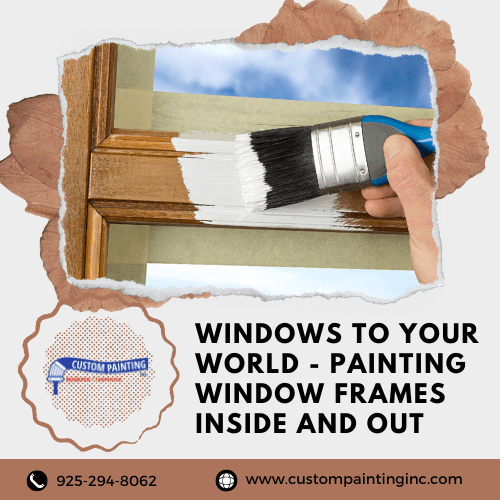
Painting interior and exterior window frames refreshes a home’s appearance while helping protect suitable frame materials from wear, moisture, and weather exposure. Appropriate colors and coatings depend on the home’s design, the window-frame material, and whether the surfaces are indoors or outdoors. Proper cleaning, surface preparation, careful application, and ongoing maintenance promote a durable finish. Homeowners should also take precautions to protect the glass, hardware, and moving parts of windows. Professional painters can help with projects involving difficult access, detailed trim, or surfaces that require specialized preparation.
Key Takeaways
- Painting window frames can improve the appearance of both interior and exterior spaces.
- Properly maintained coatings can help protect wood window frames from moisture-related deterioration.
- Window-frame colors can complement exterior siding, interior décor, or architectural details.
- Contrasting colors can emphasize windows and create visual interest.
- Wood, metal, and vinyl frames have different painting requirements.
- Some factory-finished window materials may not be suitable for repainting without manufacturer approval.
- Cleaning and appropriate surface preparation are essential for paint adhesion.
- Primer may be needed depending on the material, existing coating, and surface condition.
- Careful application helps prevent paint buildup around moving window components.
- Older painted windows may require lead-safe preparation procedures.
- Regular cleaning and inspection can help extend the life of painted window frames.
Windows are a must-have feature of any home. Painting window frames inside and out can refresh your home’s appearance and protect the frames from wear and tear. This task can enhance curb appeal and improve the look of your interior spaces. Read on as we discuss the benefits and steps of painting window frames while providing tips to help you achieve the best finish.
Why Do You Need to Paint Window Frames?
Painting window frames can offer several benefits for the home and the homeowners. These are the reasons why you need to paint your window frames:
- Protect Against Damage: Paint provides a protective layer that helps prevent damage from moisture, insects, and the elements. This can extend the life of your window frames.
- Improve Appearance: Fresh paint can make your window frames look new again, enhancing the overall look of your home both inside and out.
- Increase Home Value: Well-maintained window frames can increase the value of your home by boosting its curb appeal and making it more attractive to potential buyers.
- Prevent Rot and Decay: Regular painting can help prevent wood rot and decay by sealing the wood and keeping out moisture.
- Save on Repairs: By keeping your window frames in good condition with regular painting, you can avoid costly repairs and replacements in the future.
Selecting the Best Colors for Window Frames
Choosing the right colors for your window frames will greatly improve the overall look of your home. Here are tips to help you select the best colors:
Match the Exterior
Choose a color that matches or complements your home’s exterior. This creates a cohesive and attractive look that enhances curb appeal.
Contrast for Effect
Using a contrasting color can make your window frames stand out. This technique is especially effective if you want to highlight architectural details.
Consider the Interior
Pick a color that works well with your interior decor. This helps create a seamless transition from the outside to the inside of your home.
Stay Neutral
Neutral colors like white, gray, or beige are versatile and timeless. They work well with various styles and can easily be updated with different decor.
Follow Trends
If you want a modern look, consider current color trends. Popular choices can give your home an updated and stylish appearance.
Tips for Painting Window Frames
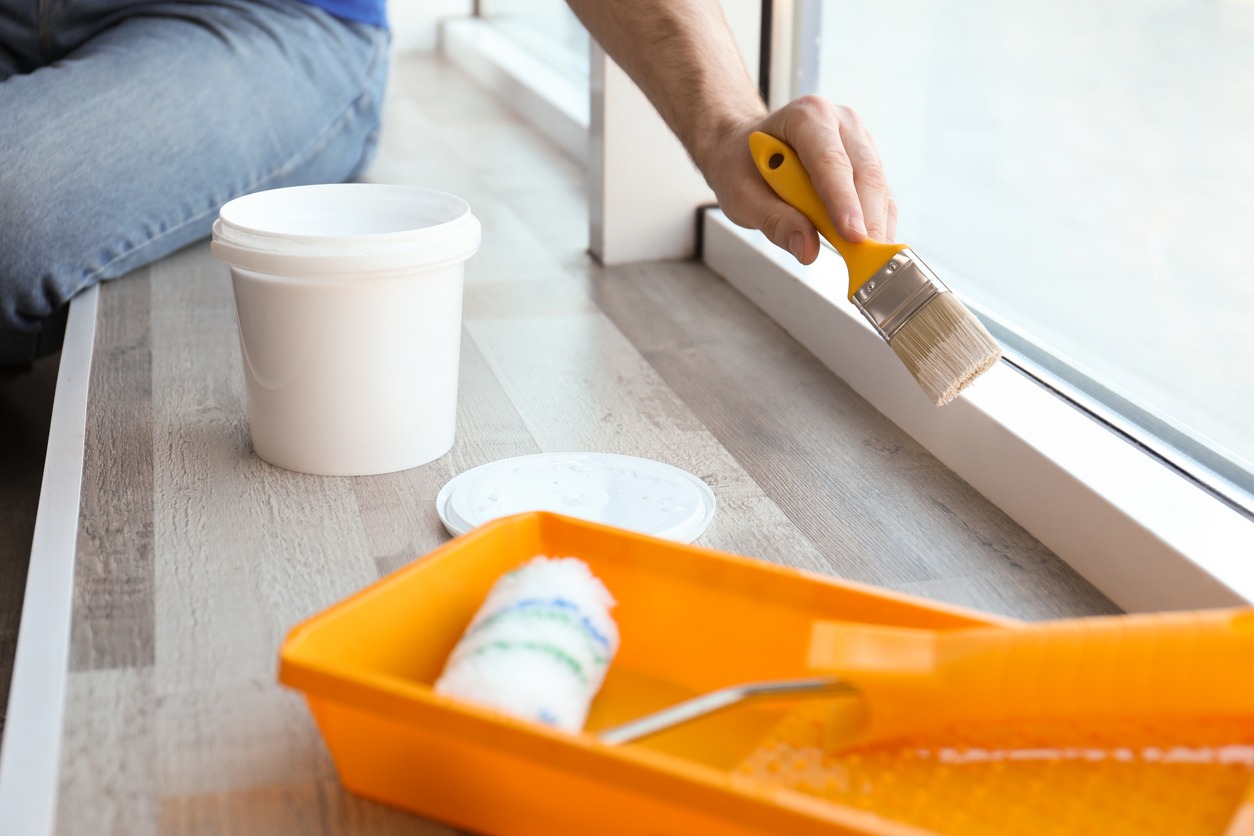
While window frames may look easy to paint at first glance, there are certain aspects of the task that can be difficult to tackle. Below are some tips to help you achieve a great finish for the window frames:
Prepare the Surface
Proper preparation is key to a successful paint job. Start by cleaning the window frames thoroughly to remove dirt, dust, and grease. Use a mild detergent and water, then rinse and let them dry completely. This step helps the paint adhere better to the surface.
Next, sand the frames to create a smooth base for the paint. Use medium-grit sandpaper to remove any old paint or rough spots. Wipe away any dust with a damp cloth before you start painting.
Choose the Right Paint
Selecting the right type of paint is crucial for durability and appearance. Use high-quality exterior paint for outdoor frames and interior paint for indoor frames. Both should be suitable for the material of your window frames, whether wood, metal, or vinyl.
Consider using a primer before applying the paint, especially if the frames have not been painted before or if you are changing to a lighter color. A primer will help the paint adhere better and provide a more uniform finish.
Protect Surrounding Areas
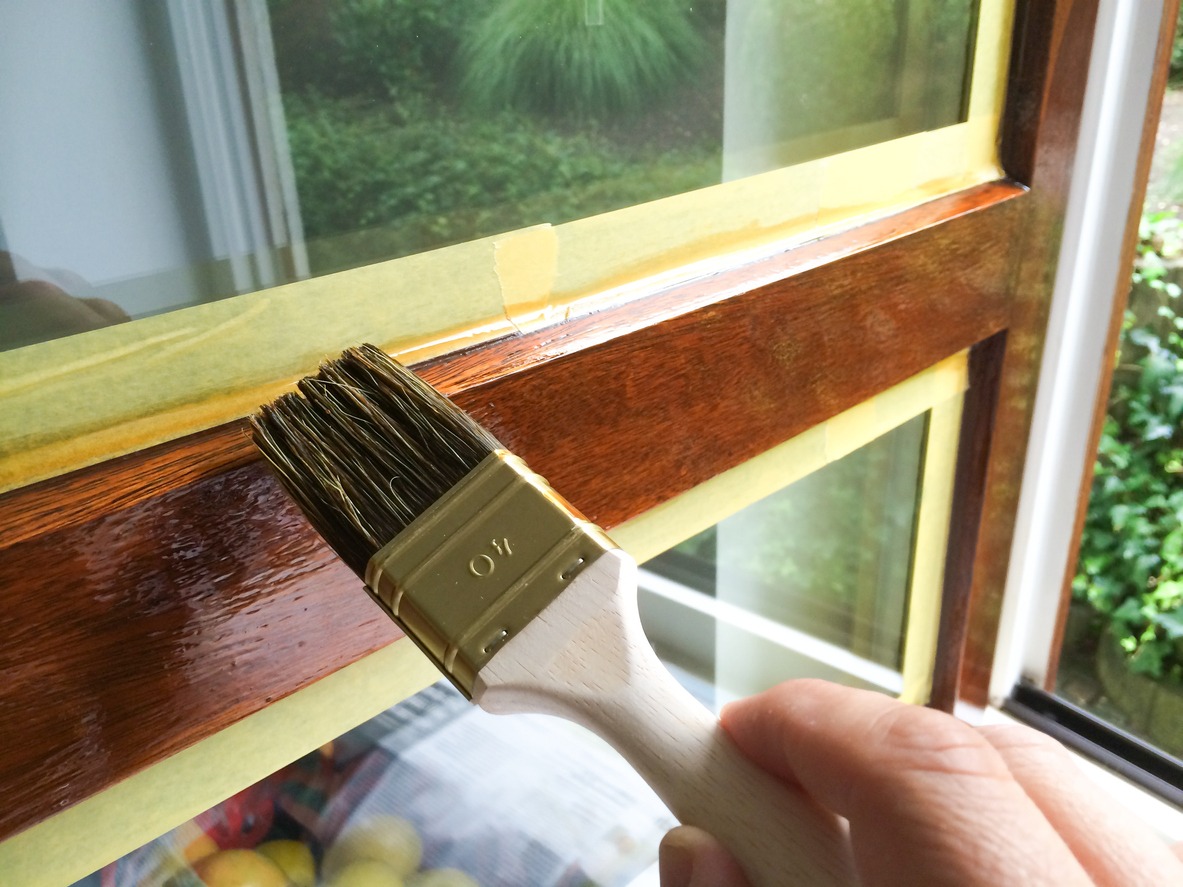
Before you start painting, protect the areas around your window frames. Use painter’s tape to mask off the glass and any adjacent surfaces you do not want to paint. Cover the floor and any nearby furniture with drop cloths to catch any drips or splatters.
Take your time to apply the tape carefully to get clean, straight edges. This step helps ensure a neat and professional-looking result. Removing the tape while the paint is still slightly wet can prevent peeling and leave a crisp line.
Apply Thin Coats
Applying multiple thin coats of paint rather than one thick coat gives better results. Thin coats dry faster and more evenly, reducing the risk of drips and brush marks. Allow each coat to dry completely before applying the next one.
Use a high-quality brush or a small roller designed for trim work to achieve a smooth finish. Be patient and take your time with each coat to ensure even coverage.
Maintain Your Work
After painting, maintaining your window frames is important to keep them looking fresh. Clean them regularly with a soft cloth and mild detergent to remove dust and dirt. Avoid using harsh chemicals that can damage the paint.
Inspect the frames periodically for any chips or cracks. Touch up any damaged areas promptly to prevent further deterioration. Regular maintenance will help your painted window frames last longer and continue to look their best.
Should You Hire Professional Painters for Window Frame Painting?
Painting window frames can be a challenging task, and you might wonder if hiring professional painters is the best option. Here are the reasons why you should consider hiring professionals:
- Expertise and Skill: Professional painters have the expertise and skill to deliver high-quality results. They know the best techniques to use and can handle any challenges that arise during the painting process.
- Proper Tools and Materials: Professionals have access to the right tools and materials for the job. They use high-quality paints and primers that ensure a durable and long-lasting finish.
- Time-Saving: Hiring professionals can save you a lot of time. Painting window frames requires careful preparation and multiple coats of paint. Professionals can complete the job quickly and efficiently.
- Attention to Detail: Professional painters pay attention to every detail, ensuring clean lines and even coverage. They take care to protect surrounding areas and leave your home looking neat and tidy.
- Safety: Painting window frames often involves working on ladders, which can be dangerous. Professionals are trained to work safely and have the necessary equipment to reach high or difficult areas.
Conclusion
Painting window frames inside and out can refresh your home’s look and protect the frames from damage. Whether you choose to do it yourself or hire professionals, proper preparation and technique are key to achieving a great finish.
FAQs
Can all types of window frames be painted?
Not necessarily. Wood window frames are commonly painted, and certain metal frames can also be refinished using appropriate preparation and coatings. Vinyl, fiberglass, and factory-finished windows may have restrictions or special requirements. Check the window manufacturer’s recommendations before painting.
What is the best paint for window frames?
The appropriate paint depends on the frame material, whether the surface is indoors or outdoors, and the condition of the existing finish. Products designed for trim and compatible with the specific substrate are generally preferable to choosing paint based on color or sheen alone.
Do window frames need primer before painting?
Not always. Bare wood, exposed metal, repaired areas, and certain existing finishes may require primer. Previously painted surfaces in good condition may not need full priming if the new coating is compatible.
How do you prevent windows from sticking after painting?
Avoid applying excessive paint around moving components, weatherstripping, tracks, and areas where the sash contacts the frame. Keep the window from being closed against uncured paint and follow the coating manufacturer’s drying and curing recommendations.
Should I paint the window frame the same color as the trim?
Matching window frames and surrounding trim can create a coordinated appearance, but contrasting colors are also an option.
How often should painted window frames be repainted?
There is no universal schedule. Exterior window frames often require more frequent maintenance because of sunlight, moisture, and weather exposure. Inspect the coating periodically for peeling, cracking, fading, or other signs of deterioration.
Is it better to hire a professional to paint window frames?
Professional painting may be particularly helpful for upper-story windows, intricate woodwork, deteriorated existing coatings, and projects involving specialized frame materials. Experienced painters can also help prevent paint buildup that interferes with window operation.