
Factory metal surfaces are exposed to moisture, chemicals, abrasion, temperature swings, and heavy use, making paint selection a critical part of long-term maintenance. The right industrial coating system can reduce corrosion, extend equipment life, improve safety, and maintain a professional appearance. Successful results depend on proper surface preparation, appropriate primers, and coating systems designed for the facility’s specific environmental conditions.
Key Takeaways
- Factory metal surfaces require specialized industrial coatings, not standard residential paints.
- Surface preparation is one of the most important factors in coating performance.
- Epoxy coatings provide excellent chemical and abrasion resistance.
- Polyurethane coatings offer flexibility, impact resistance, and weather durability.
- Zinc-rich primers help protect metal against rust and corrosion.
- Different factory areas may require different coating systems depending on exposure and wear.
- Regular inspections and touch-ups help extend the life of painted metal surfaces..
Protecting the metal surfaces in factories is essential to prevent rust, wear, and damage from harsh environmental conditions. The right paint not only enhances the durability of metal but also contributes to workplace safety by reducing corrosion-related hazards. Plus, a fresh coat of paint can significantly improve the appearance of industrial spaces, adding a polished, professional look.
Partnering with a commercial painting company can make all the difference—they have the expertise to recommend the best coatings and ensure that factory metal surfaces are protected with high-quality, long-lasting finishes.
Challenges of painting metal surfaces in industrial environments
Painting metal surfaces in industrial environments presents several challenges:
- Exposure to harsh conditions: Metal surfaces in factories often face moisture, chemical exposure, extreme temperatures, and heavy use. These conditions can quickly wear down paint and lead to frequent maintenance, increasing downtime and costs.
- Preventing rust and corrosion: Humidity and chemical exposure make industrial settings prone to rust, which deteriorates metal surfaces. Selecting paints with anti-corrosive properties is crucial to protect against rust, prolonging the lifespan of the paint and the metal underneath.
- Adhesion and durability: Ensuring that paint adheres well to metal is challenging, especially under heavy use and exposure to fluctuating conditions. Specialized primers and durable, industrial-grade paints are essential for a strong bond that withstands daily wear, reducing the need for frequent repainting and minimizing disruptions to operations.
Types of paints suitable for metal surfaces
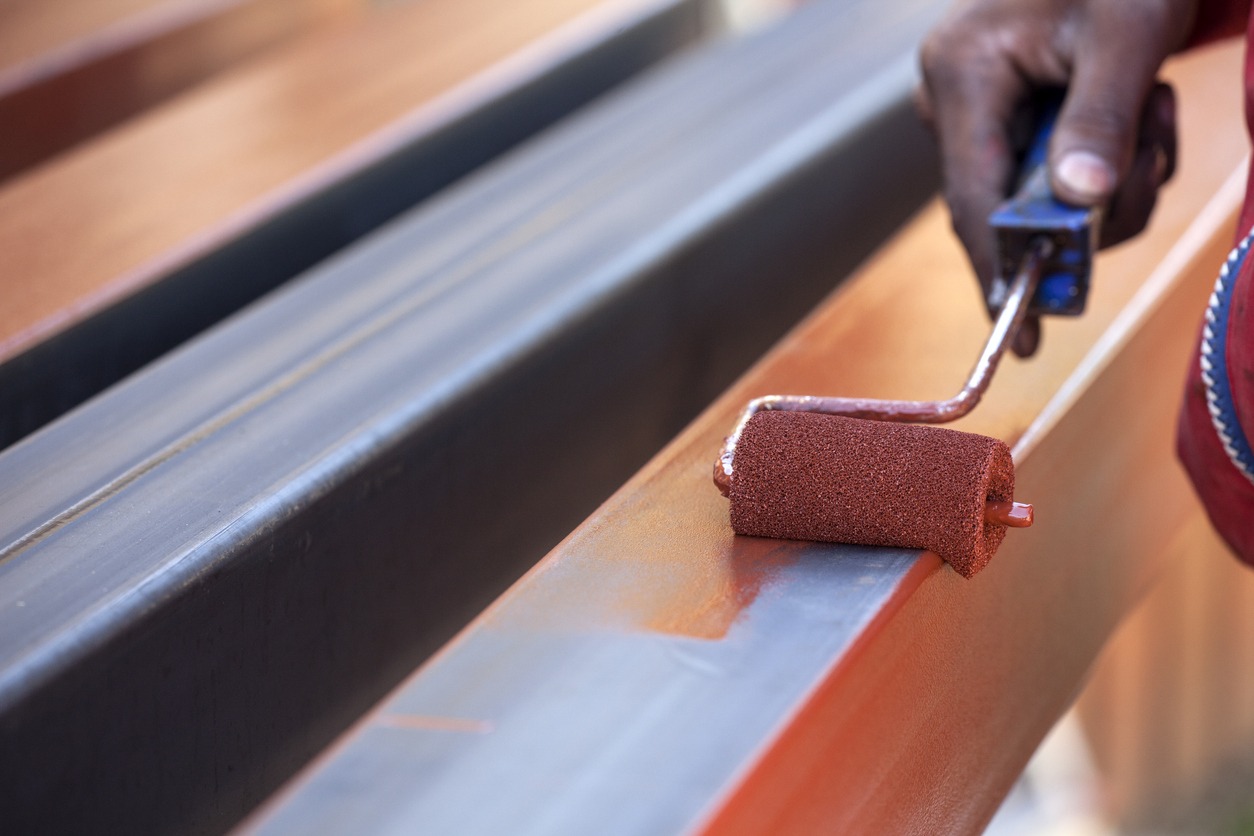
- Epoxy paints: Epoxy coatings are highly durable, providing strong adhesion and excellent resistance to chemicals, solvents, and abrasions. These attributes make epoxy paints ideal for metal surfaces in high-traffic areas or industrial settings where the metal may be exposed to harsh substances. Epoxy forms a thick, protective layer that withstands wear and tear, preserving the metal’s integrity.
- Polyurethane paints: Polyurethane paints are known for flexibility and resilience. They are well-suited for metal surfaces that face temperature fluctuations or physical impacts. This paint type maintains its appearance and protection even under challenging conditions, such as outdoor environments or areas subject to frequent handling and impact.
- Acrylic paints: Acrylic paints offer strong UV resistance, making them a good choice for outdoor metal surfaces exposed to sunlight. They resist fading and maintain color vibrancy over time, which is ideal for exterior metal furniture, railings, or outdoor structures. Acrylics also dry relatively quickly, simplifying the painting process.
- Zinc-rich primers: Zinc-rich primers are essential in protecting metal from rust and corrosion. They contain a high concentration of zinc particles, which act as a sacrificial layer to prevent the metal from oxidation. These primers create a robust base for topcoats and are especially effective in harsh environments, such as coastal or industrial areas.
Long-term maintenance and repainting tips
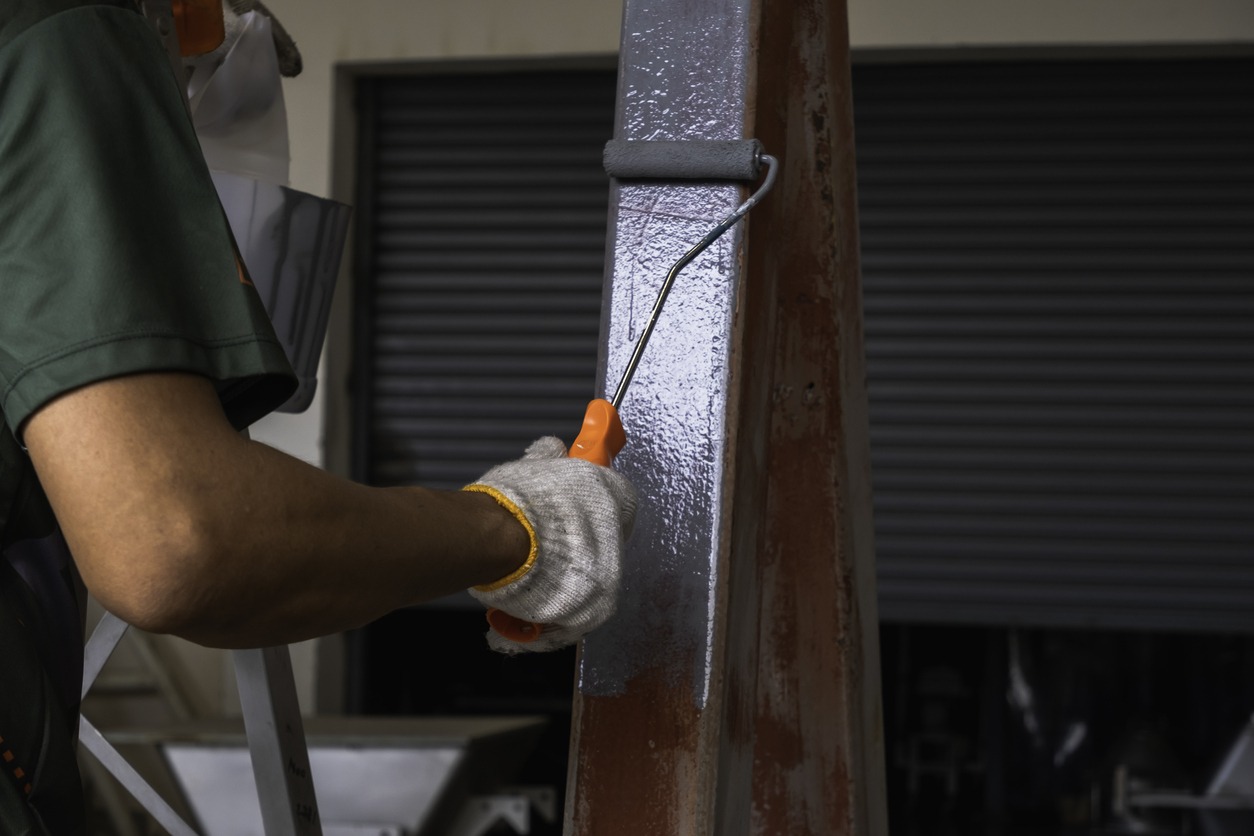
- Routine inspections: Regularly check metal surfaces for signs of wear, rust, or peeling paint, particularly in high-exposure areas or climates with high humidity. Early detection allows quick repairs, preventing serious issues and prolonging the finish.
- Cleaning and minor touch-ups: To clean painted metal surfaces, use a soft cloth and mild soap with water. This step removes dirt, grime, and corrosive substances, helping preserve the paint. Avoid harsh chemicals and abrasive cleaners, which can damage the finish. For minor touch-ups, apply matching paint to any chips or scratches to prevent rust from spreading.
- Knowing when to recoat: If you notice fading, cracking, or peeling paint, it’s likely time for a new coat. These signs suggest the paint is no longer effectively protecting the metal and should be recoated to maintain appearance and durability.
Parting words
Choosing the appropriate paints and preparation techniques for metal surfaces in factory environments is essential to ensure long-lasting protection, durability, and aesthetic appeal. Proper surface preparation with high-quality, industrial-grade paints can significantly enhance the lifespan and appearance of metal fixtures in demanding conditions.
Consulting with a commercial painting company provides valuable expertise and ensures that these surfaces are treated with the most suitable products and techniques. For optimal results and tailored industrial painting solutions, contact Custom Painting, Inc.’s experts! Call us at 925-320-3242 or message us here for a free quote.
FAQs
What is the best paint for metal surfaces in factories?
The best paint depends on the environment and the type of metal. Epoxy coatings are commonly used for chemical resistance and durability, while polyurethane coatings are often selected for flexibility, UV resistance, and impact protection.
Do factory metal surfaces need a primer?
In most cases, yes. A quality metal primer improves adhesion and adds an additional layer of corrosion protection. Zinc-rich primers are particularly effective for steel surfaces exposed to moisture or harsh industrial conditions.
How often should metal surfaces in factories be repainted?
Repainting schedules vary based on the coating system, environmental exposure, and maintenance practices. Regular inspections can help identify when touch-ups or recoating are needed before significant corrosion develops.
Can paint help prevent rust on metal?
Yes. Properly applied industrial coatings create a protective barrier that limits moisture and oxygen exposure, helping to reduce corrosion and extend the life of the metal substrate.
What causes paint to fail on metal surfaces?
Common causes include inadequate surface preparation, incompatible coatings, excessive moisture, chemical exposure, and insufficient curing time between coats.